
What Does “Exploitation” Mean?
Quick Definition
Exploitation means:
- Taking unfair advantage of someone for personal benefit.
- Using people, resources, or situations to gain an advantage.
- The act of benefiting from another person or resource, often unfairly.
Dictionary Meaning
The noun exploitation refers to:
- The unfair treatment or use of people for profit or advantage.
- The use or development of resources for economic purposes.
- The act of making productive use of something.
Literal Meaning
The word comes from the verb exploit, which means to make use of something.
Today, exploitation most commonly implies unfair or unethical use, especially when referring to people.
What Does Exploitation Mean in Different Contexts?
Workplace
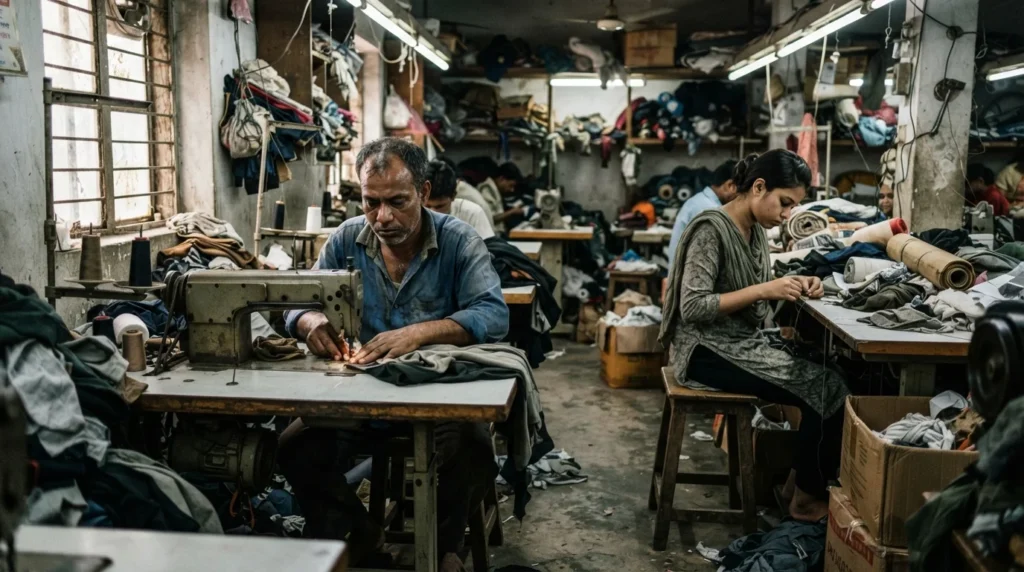
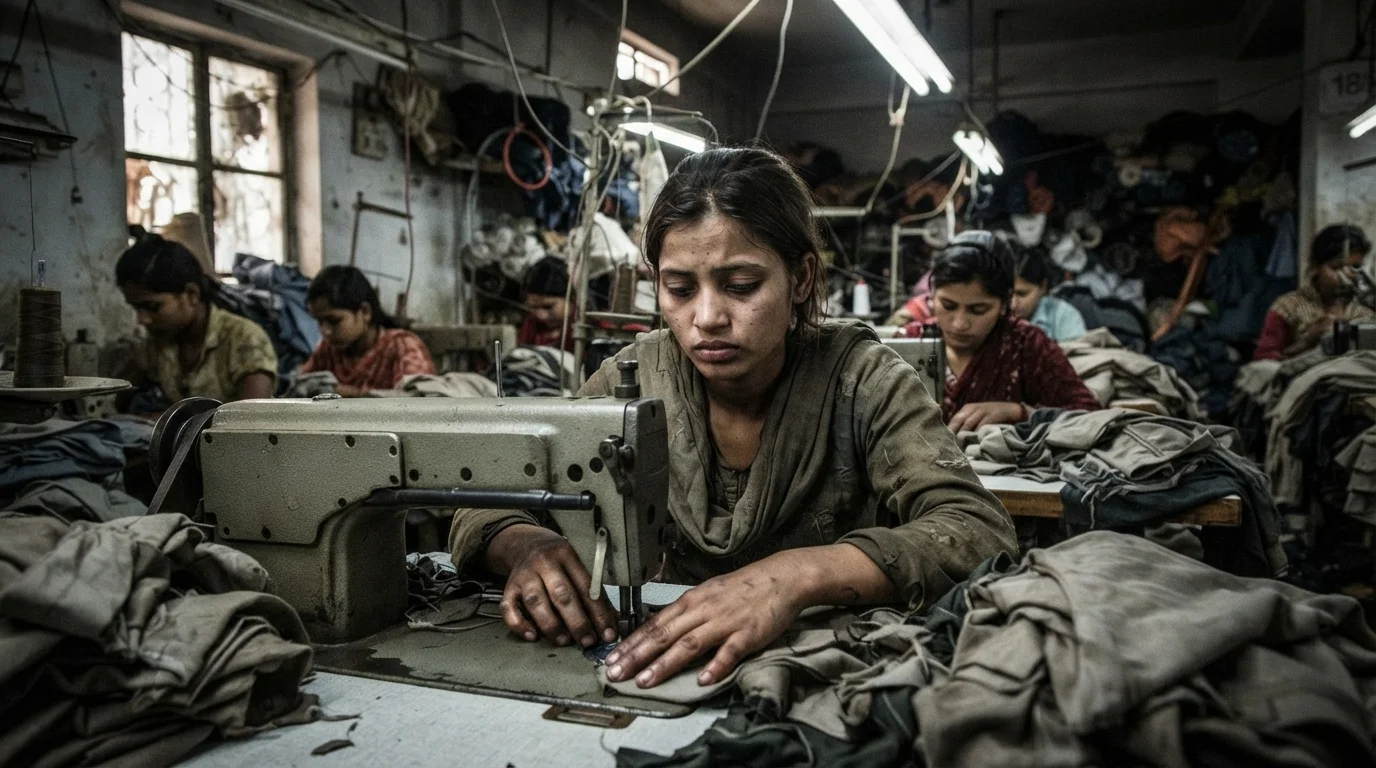
Workplace exploitation occurs when employers treat workers unfairly for financial gain.
Examples include:
- Paying extremely low wages.
- Requiring excessive unpaid overtime.
- Providing unsafe working conditions.
- Denying legally required benefits.
Social Issues
Social exploitation refers to taking advantage of vulnerable individuals or communities.
Examples include:
- Human trafficking.
- Forced labor.
- Child labor.
- Financial scams targeting older adults.
- Manipulating people for personal gain.
Business
In business, exploitation can have two meanings:
- Negative: Taking unfair advantage of employees, customers, or competitors.
- Neutral/technical: Making commercial use of an opportunity, invention, or resource.
Example:
“The company focused on the commercial exploitation of its new technology.”
Here, the word simply means using the technology commercially.
Natural Resources
Resource exploitation means extracting or using natural resources such as:
- Oil
- Gas
- Minerals
- Timber
- Water
The term itself is neutral, although concerns may arise if the exploitation harms the environment or local communities.
Technology and Cybersecurity
In cybersecurity, exploitation refers to taking advantage of a software vulnerability or security weakness.
Example:
“Hackers exploited a flaw in the system.”
This usage is technical rather than social.
Origin and History of the Word
The word exploitation comes from the French word exploitation, meaning use or operation, which itself derives from the Latin root associated with completing or carrying out work.
Historically, the term could simply mean making productive use of land, labor, or resources. Over time, especially in discussions of labor rights and social justice, exploitation became strongly associated with unfair treatment and abuse of power.
Today, both meanings still exist, but the negative sense is the one most commonly encountered.
Types of Exploitation
Labor Exploitation
Workers are treated unfairly through low wages, unsafe conditions, or excessive hours.
Child Exploitation
Children are abused or used for someone else’s benefit, often through illegal or unethical practices.
Financial Exploitation
Someone manipulates or deceives another person to gain access to money or property.
Sexual Exploitation
A person is manipulated, coerced, or abused for another person’s sexual benefit.
Resource Exploitation
Natural resources are extracted or used for economic purposes.
Digital Exploitation
People’s personal information, content, or online presence is unfairly used for profit or advantage.
How People Actually Use “Exploitation”
You’ll often hear the word in discussions about:
- Workers’ rights
- Environmental protection
- Business ethics
- Human rights
- Cybersecurity
- Economics
- Politics
- Consumer protection
Examples include:
- “The report exposed labor exploitation.”
- “The organization fights against child exploitation.”
- “The company was criticized for resource exploitation.”
- “Attackers exploited a software vulnerability.”
Real-Life Examples of Exploitation
Example 1
“The workers reported labor exploitation.”
Meaning: They were treated unfairly at work.
Example 2
“The government introduced laws to prevent child exploitation.”
Meaning: The laws aim to protect children from abuse.
Example 3
“The company invested in the responsible exploitation of natural resources.”
Meaning: The company developed and used resources while aiming to follow environmental or legal standards.
Example 4
“Hackers exploited a weakness in the software.”
Meaning: They took advantage of a security flaw.
Example 5
“Financial exploitation of older adults is a growing concern.”
Meaning: Scammers or others unfairly take money from vulnerable individuals.
Example 6
“The documentary examined the exploitation of factory workers.”
Meaning: It explored unfair labor practices.
Example 7
“The invention’s commercial exploitation generated significant revenue.”
Meaning: The invention was successfully used in business.
Example 8
“Environmental groups oppose excessive resource exploitation.”
Meaning: They object to overusing natural resources.
Example 9
“She felt the agreement was a form of exploitation.”
Meaning: She believed someone was taking unfair advantage of her.
Example 10
“The charity works to reduce exploitation around the world.”
Meaning: It helps protect vulnerable people from abuse and unfair treatment.
Common Mistakes and Misunderstandings
Mistake 1: Thinking Exploitation Always Means Something Illegal
Not necessarily.
Some forms of exploitation may be unethical but not illegal, while others clearly violate the law.
Mistake 2: Assuming It Only Applies to People
The word can also refer to:
- Natural resources
- Technology
- Business opportunities
- Intellectual property
Mistake 3: Confusing Exploitation with Opportunity
Using an opportunity isn’t automatically exploitation. The negative sense usually involves unfairness, harm, or abuse.
Mistake 4: Ignoring Context
The phrase resource exploitation is often neutral, while worker exploitation almost always carries a negative meaning.
Synonyms and Related Words
| Word | Meaning | Difference |
|---|---|---|
| Abuse | Mistreatment | Broader term |
| Misuse | Improper use | Doesn’t always involve personal gain |
| Manipulation | Controlling someone unfairly | Focuses on influence |
| Oppression | Prolonged unfair treatment | Often systemic |
| Victimization | Treating someone unfairly | Emphasizes the victim |
| Utilization | Use of something | Neutral meaning |
| Extraction | Removing resources | Resource-related |
| Commercialization | Turning something into a business | Usually neutral |
| Coercion | Forcing someone to act | Often part of exploitation |
| Trafficking | Illegal movement of people | A specific criminal offense |
Internal linking opportunities:
- Abuse meaning
- Manipulation meaning
- Coercion meaning
- Oppression meaning
- Human trafficking meaning
- Labor rights explained
- Cybersecurity glossary
- Resource management
Is “Exploitation” Positive, Negative, or Neutral?
The tone depends on the context.
Negative
Most commonly, exploitation refers to:
- Unfair treatment
- Abuse
- Taking advantage of vulnerable people
Neutral
In technical or business contexts, it can simply mean:
- Using natural resources
- Commercializing technology
- Developing opportunities
Understanding the surrounding context helps determine which meaning applies.
Should You Use “Exploitation”?
Use it if:
- You’re discussing unfair treatment or abuse.
- You’re writing about labor rights, social issues, or human rights.
- You’re referring to the commercial or technical use of resources or technology in an appropriate context.
Avoid using it if:
- A more precise word, such as use, utilization, or development, better fits a neutral context.
- You mean simply taking advantage of an opportunity without implying unfairness.