
What Does “Plead the 5th” Mean?
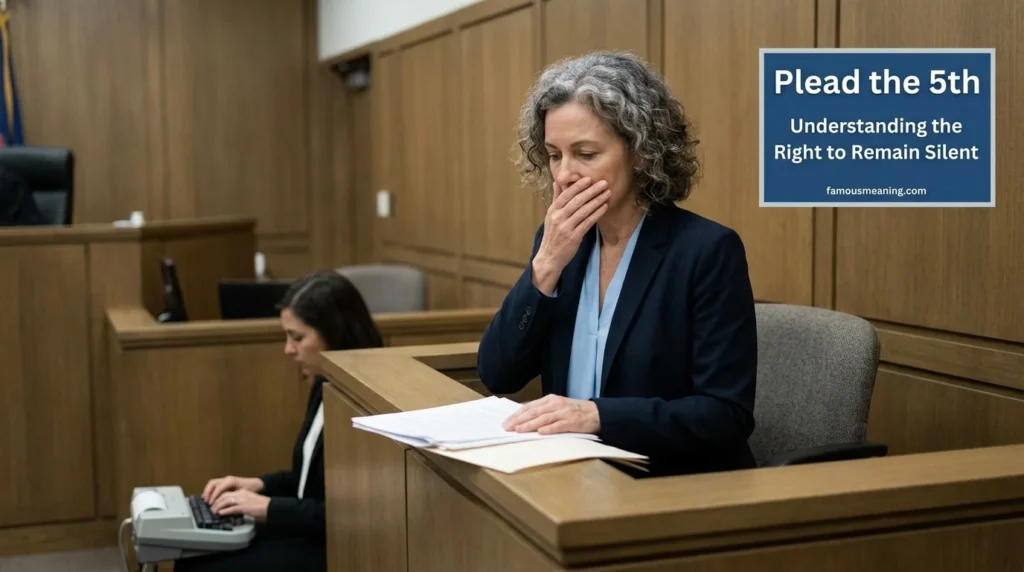
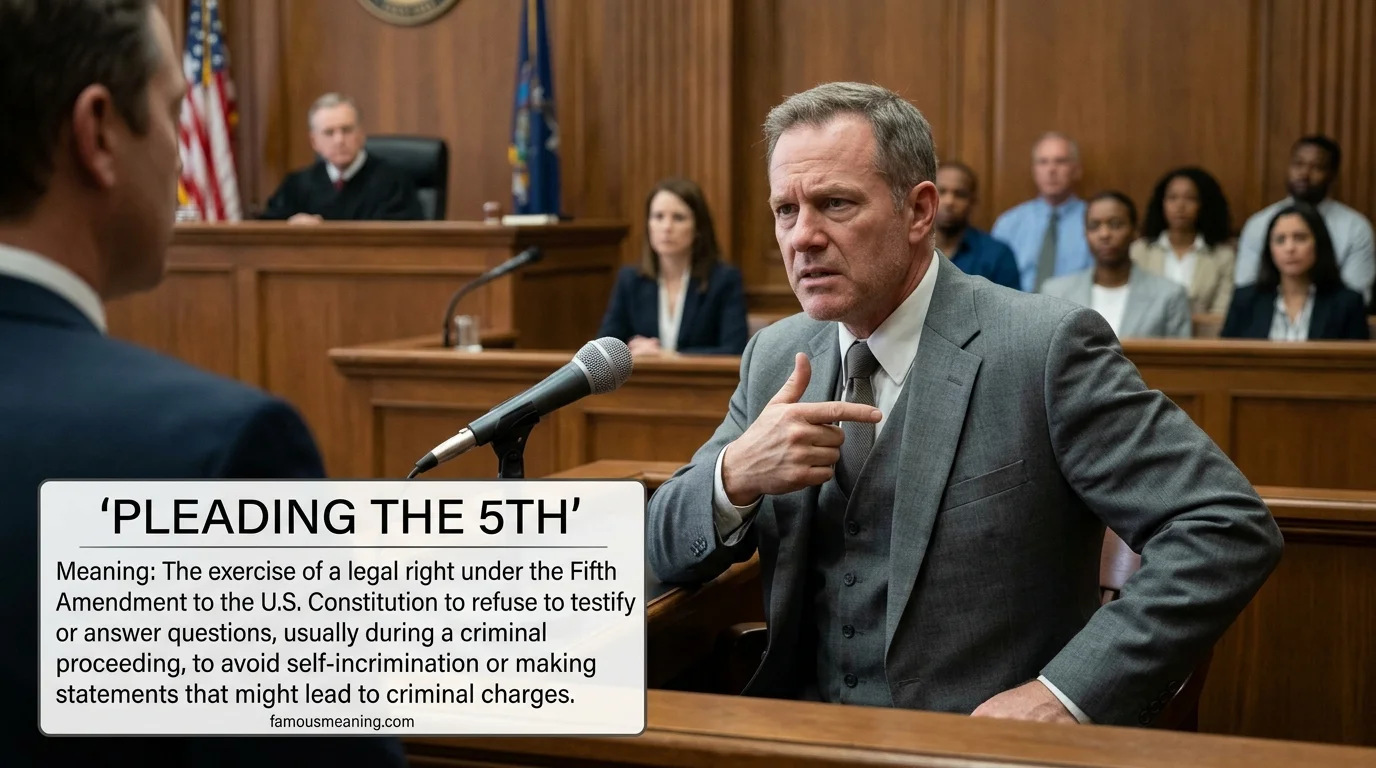
The phrase “plead the 5th” refers to invoking the Fifth Amendment right against self-incrimination. In simple terms, it means refusing to answer a question because the answer might be used against you.
Outside the courtroom, however, people usually use it humorously to avoid answering personal, embarrassing, or sensitive questions.
Quick Definition
Plead the 5th: To refuse to answer a question, often to avoid admitting something, revealing a secret, or getting into trouble.
What It Usually Means in Conversations
Most people use the phrase when they:
- Don’t want to reveal a secret
- Want to avoid an embarrassing topic
- Are joking about being “guilty”
- Prefer to keep something private
- Don’t want to answer a difficult question
What Tone Does It Convey?
Depending on the situation, it can sound:
- 😄 Funny
- 😉 Playful
- 🤐 Secretive
- 😅 Embarrassed
- ⚖️ Serious (in legal discussions)
What Does “Plead the 5th” Mean on Different Platforms?
Text Messages
In texts, it usually means:
“I’m not answering that.”
Example:
A: Who ate the last slice of pizza?
B: I plead the 5th.
Snapchat
On Snapchat, people often use the phrase to avoid explaining something they posted or to keep friends guessing.
Example:
“Where were you last night?”
“I plead the 5th 😂”
On Instagram, it’s commonly used in captions, comments, and Stories after posting something mysterious or funny.
Example:
“Don’t ask how much this shopping trip cost… I plead the 5th.”
TikTok
TikTok creators often use the phrase in comedy videos, relationship content, and challenge videos when pretending not to confess something.
Example:
“When your mom asks who broke the vase…”
“I plead the 5th.”
Discord
Among gamers and online communities, it usually means someone doesn’t want to admit what happened during a game or reveal private information.
Example:
“Who accidentally deleted the server?”
“I plead the 5th.”
On Reddit, the phrase often appears in humorous discussions, AMAs, and debates when users intentionally avoid answering a difficult question.
Dating Apps
Someone might jokingly say “I plead the 5th” when asked about:
- Their dating history
- Their worst date
- Their number of exes
- An embarrassing story
It’s usually meant to be playful rather than serious.
Origin and History of “Plead the 5th”
The phrase comes from the Fifth Amendment to the United States Constitution.
The Fifth Amendment guarantees several legal protections, including the right not to be forced to testify against yourself in a criminal case. This protection is commonly called pleading the Fifth.
Over time, the expression expanded beyond legal settings. Thanks to courtroom dramas, news coverage, television, and movies, Americans began using it humorously whenever they wanted to avoid answering uncomfortable questions.
Today, many people use “I plead the 5th” even when there’s no legal issue involved.
How People Actually Use “Plead the 5th”
In everyday life, you’ll often hear this phrase when someone wants to avoid answering without directly saying “I don’t want to answer.”
People commonly use it when:
- Friends ask embarrassing questions
- Family members ask personal questions
- Someone wants to keep a surprise secret
- People joke about something they may have done
- They’re avoiding workplace gossip
When to Use It
Use it when:
- You’re joking with friends.
- You want to avoid sharing personal details.
- You’re making a humorous reference to keeping a secret.
When Not to Use It
Avoid using it when:
- People may misunderstand the legal reference.
- You’re in a formal professional discussion.
- You’re speaking with someone unfamiliar with American expressions.
Real Examples of “Plead the 5th” in Conversations
Example 1
Person A: Did you eat all the cookies?
Person B: I plead the 5th.
Meaning: They’re jokingly refusing to admit it.
Example 2
Person A: How much did that new phone cost?
Person B: I plead the 5th.
Meaning: They don’t want to reveal the price.
Example 3
Person A: Who started the rumor?
Person B: I plead the 5th.
Meaning: They aren’t answering.
Example 4
Person A: Are you dating anyone?
Person B: I plead the 5th.
Meaning: They’re keeping their personal life private.
Example 5
Person A: Who lost the match?
Person B: I plead the 5th.
Meaning: They’re joking about not admitting defeat.
Example 6
Person A: Did you stay up gaming all night?
Person B: I plead the 5th.
Meaning: They don’t want to confess.
Example 7
Person A: Who forgot the meeting?
Person B: I plead the 5th.
Meaning: They may be jokingly admitting guilt.
Example 8
Person A: Who spoiled the movie?
Person B: I plead the 5th.
Meaning: They refuse to answer.
Example 9
Person A: Did you finish the project?
Person B: I plead the 5th.
Meaning: They’d rather not say.
Example 10
Person A: Are you buying another pair of shoes?
Person B: I plead the 5th.
Meaning: They’re humorously avoiding the question.
Common Mistakes and Misunderstandings
One common misunderstanding is thinking that “plead the 5th” always means someone is guilty. In reality, legally invoking the Fifth Amendment is a constitutional right and does not automatically indicate guilt.
Another mistake is assuming it’s appropriate in every conversation. Because the phrase has a legal origin, it may sound confusing or overly dramatic in some situations, especially with people unfamiliar with American culture.
Similar Expressions and Related Phrases
| Phrase | Meaning | Difference |
|---|---|---|
| No comment | Refusing to answer | More formal |
| Keep it under wraps | Keep something secret | Focuses on secrecy |
| My lips are sealed | I won’t tell | Friendly and playful |
| That’s classified | Secret information | Usually humorous |
| I’d rather not say | Polite refusal | Direct and neutral |
| Spill the tea | Share gossip | Opposite meaning |
| TMI | Too much information | About oversharing |
| Mum’s the word | Keep it secret | Older expression |
| Secret’s safe with me | Promise not to tell | Reassuring |
| Loose lips sink ships | Don’t reveal secrets | Warning rather than refusal |
Is “Plead the 5th” Positive, Negative, or Neutral?
The phrase is generally neutral.
Its tone depends on the context:
- Positive: Used jokingly among friends.
- Neutral: Simply avoiding an answer.
- Negative: May seem evasive if used during a serious conversation.
Should You Use “Plead the 5th”?
You can use it if:
- You’re joking with friends.
- Everyone understands the expression.
- You want to avoid answering playfully.
Avoid using it if:
- The conversation is very formal.
- The audience may not understand the U.S. legal reference.
- It could make a serious discussion seem dismissive.